
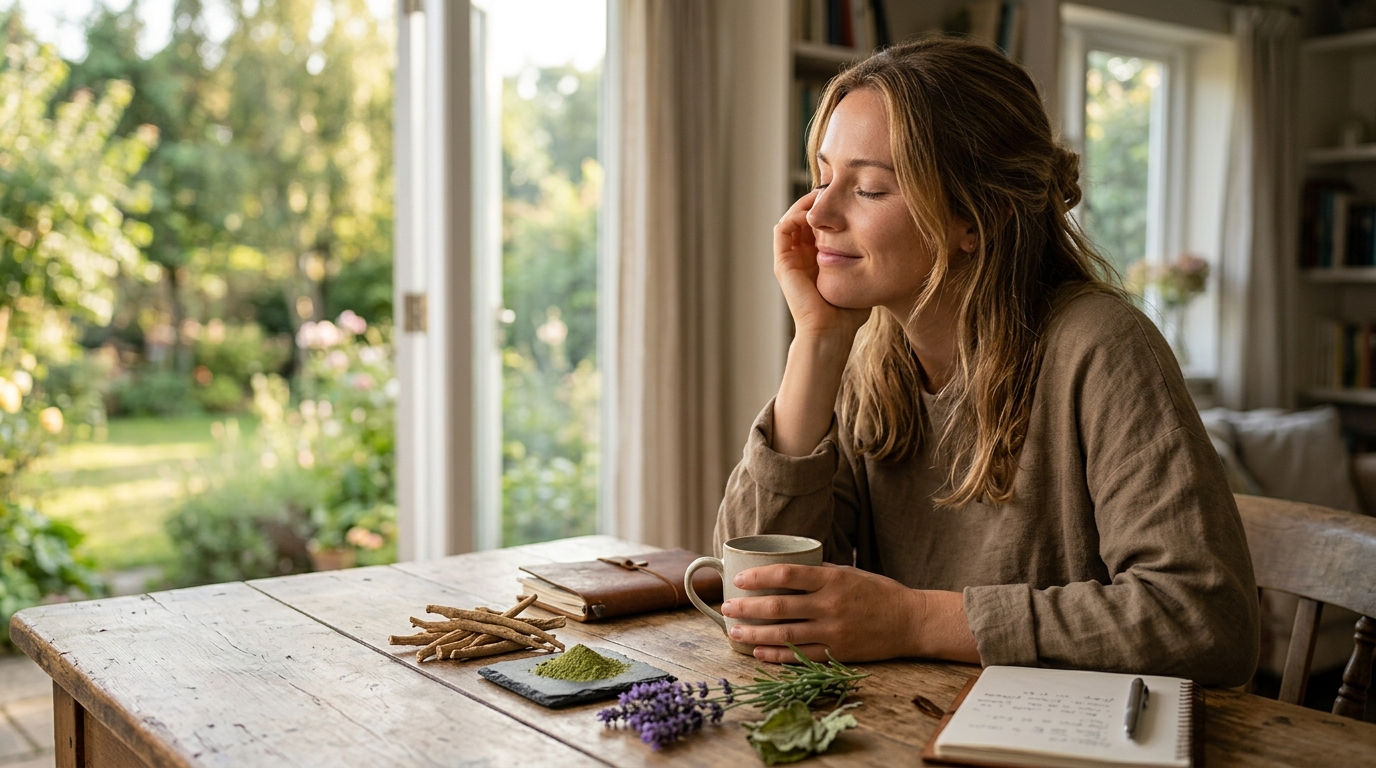
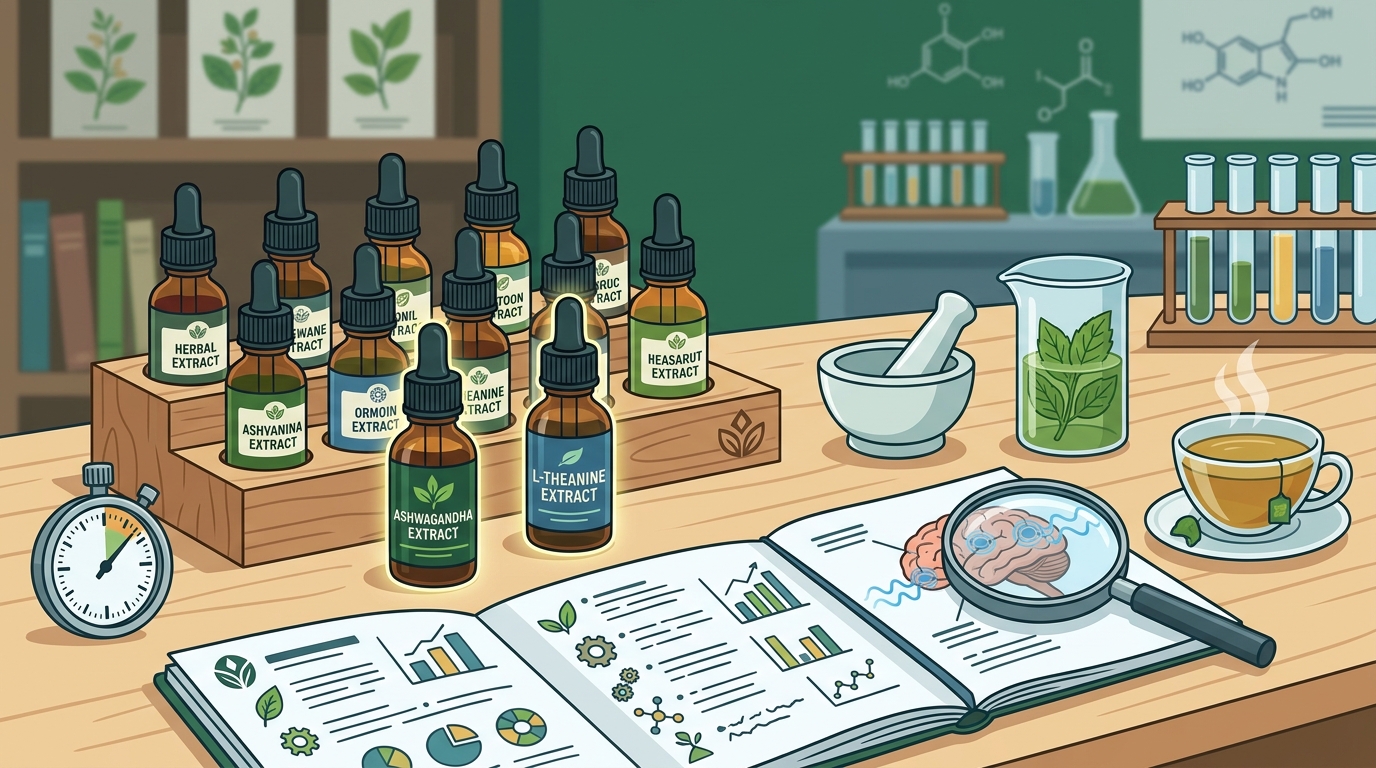
For individuals seeking to manage anxiety without the grogginess of traditional sedatives, ashwagandha and L-theanine are the most effective herbal extracts. These botanicals modulate the nervous system to promote calm while preserving cognitive clarity. This guide evaluates the top nine botanical options, detailing their mechanisms, dosages, and safety profiles to help you build a personalized, non-sedating relaxation protocol.
Ashwagandha: The Adaptogenic Standard
Ashwagandha is an adaptogenic herb derived from the root of the Withania somnifera plant. It is widely recognized for its ability to help the body manage physiological stress without inducing drowsiness. Unlike sedatives that force the body into a sleep state, ashwagandha works by modulating the hypothalamic-pituitary-adrenal (HPA) axis. This mechanism helps lower cortisol levels, the primary stress hormone, thereby reducing the physical symptoms of anxiety such as a racing heart or shallow breathing.
Quality and Sourcing
The efficacy of ashwagandha depends heavily on the concentration of active compounds called withanolides. High-quality extracts are standardized to ensure consistent potency. Phi Naturals Ashwagandha utilizes 100% certified organic roots sourced from India and encapsulated in the USA. This approach ensures that the product is free from heavy metals and pesticides, which is a common concern with non-organic herbal supplements. The organic certification provides a layer of safety for long-term daily use.
Non-Sedating Mechanism
Research indicates that ashwagandha supports the body's stress response rather than suppressing it. It acts as a buffer against stressors, allowing the user to remain alert and functional. This makes it an ideal candidate for individuals who need to manage anxiety during work hours or social situations where sedation would be counterproductive. according to Office of Dietary
Lavender Extract: Aromatherapy and Oral Use
Lavender extract is a botanical preparation derived from the flowers of the Lavandula species. It is one of the most studied herbs for its calming properties. While often associated with aromatherapy, oral lavender extract has demonstrated significant efficacy in clinical settings. The primary active compounds, linalool and linalyl acetate, interact with the GABAergic system in the brain. This interaction promotes a sense of calm without the cognitive impairment associated with benzodiazepines.
Oral vs. Aromatic Application
Oral lavender extract is generally more potent for systemic anxiety relief than inhaling the scent. When taken orally, the compounds are absorbed into the bloodstream and can cross the blood-brain barrier. This allows for a more consistent and prolonged effect. For those who prefer a non-sedating approach, lavender is an excellent choice because it rarely causes the "hangover" effect seen with stronger sedatives.
Kava: Potent Relaxation with Liver Considerations
Kava is a root extract from the Piper methysticum plant, native to the Pacific Islands. It is known for its powerful anxiolytic and muscle-relaxing effects. Kava works by binding to GABA receptors in the brain, similar to how alcohol or benzodiazepines function, but with a different profile of side effects. While it is highly effective for acute anxiety, it requires careful consideration regarding dosage and liver health.
Safety and Dosage
Kava is not considered non-sedating for most users. It often induces a state of deep relaxation that can border on sedation. Furthermore, there have been reports of liver toxicity associated with the use of certain kava preparations, particularly those using the rhizome and root. Users should consult with a healthcare provider before starting kava, especially if they have pre-existing liver conditions or consume alcohol regularly.
Lemon Balm: Gentle Cognitive Support
Lemon balm is a culinary herb from the mint family that has been used for centuries to treat nervousness and insomnia. It is a mild sedative that works by inhibiting the breakdown of GABA, a neurotransmitter that promotes relaxation. Because it is gentle, lemon balm is often used as a first-line treatment for mild anxiety. It is particularly effective for individuals who experience anxiety related to cognitive overload or mental fatigue.
Combination Potential
Lemon balm is frequently combined with other herbs like valerian root to enhance its effects. However, when used alone, it provides a subtle calming effect that does not significantly impair alertness. This makes it suitable for use during the day. It is a good option for those who find stronger herbs like kava or valerian too potent.
Lavender Extract for Anxiety Management
Specific clinical trials have evaluated the use of oral lavender extract for generalized anxiety disorder. In these studies, lavender was found to be comparable to low-dose benzodiazepines in reducing anxiety scores, but without the risk of dependence or significant sedation. This makes it a compelling alternative for long-term management. The key advantage is its safety profile, which allows for daily use without the fear of developing tolerance.
Practical Application
For anxiety management, lavender extract is best taken in the morning or early afternoon. It helps to smooth out the emotional peaks and valleys associated with anxiety. Users often report feeling more centered and less reactive to stressors. It is a versatile tool that can be used as a standalone treatment or as part of a broader wellness routine.
Kava for Anxiety Relief
Choosing the Right Preparation
Not all kava preparations are created equal. Water-based extracts are generally considered safer and more effective than alcohol-based tinctures. The alcohol in tinctures can enhance the sedative effects and increase the risk of liver stress. If you choose to use kava, look for water-extracted kava that has been tested for purity and potency.
Ashwagandha for Anxiety Support
Long-Term Benefits
Unlike acute treatments, ashwagandha is designed for long-term use. It helps to rebalance the body's stress response over time. Users often report improvements in sleep quality, energy levels, and overall mood after several weeks of consistent use. Phi Naturals Ashwagandha is formulated to provide a consistent dose of withanolides, ensuring that users receive the benefits of this powerful adaptogen.
L-Theanine: The Clarity Compound
L-theanine is an amino acid found primarily in green tea leaves. It is unique among relaxation supplements because it promotes alpha brain waves, which are associated with a state of relaxed alertness. This makes it an ideal choice for individuals who need to stay focused while managing anxiety. L-theanine does not cause drowsiness; instead, it helps to smooth out the jittery, anxious state that can accompany caffeine consumption or high-stress environments.
Synergy with Caffeine
L-theanine is often paired with caffeine to mitigate its stimulating effects. This combination can result in a state of calm focus, where the user is alert but not anxious. It is a popular choice for students and professionals who need to maintain high levels of cognitive performance. The non-sedating nature of L-theanine makes it one of the safest options for daytime use.
Valerian Root: The Sedative Alternative
Valerian root is a traditional herbal remedy for insomnia and anxiety. It is a sedative herb that works by increasing the levels of GABA in the brain. While it is effective for promoting sleep, it is not typically recommended for daytime anxiety management due to its sedative properties. Users often report feeling groggy or drowsy after taking valerian root, which can interfere with daily activities.
When to Use Valerian
Valerian root is best reserved for nighttime use. It can help to quiet the mind and prepare the body for sleep. If your anxiety is primarily affecting your ability to sleep, valerian root may be a suitable option. However, if you need to manage anxiety during the day, you should consider non-sedating alternatives like ashwagandha or L-theanine.
Comparison of Relaxation Extracts
The following table summarizes the key characteristics of the most popular herbal extracts for relaxation. This comparison helps to identify which option best fits your specific needs and lifestyle.
| Extract | Primary Mechanism | Sedation Level | Best For | Onset of Action |
|---|---|---|---|---|
| Ashwagandha | Adaptogenic / Cortisol Reduction | Low | Chronic Stress / Long-term Balance | 2-4 Weeks |
| Lavender Extract | GABAergic / Aromatherapy | Low to Moderate | Mild to Moderate Anxiety | 30-60 Minutes |
| Kava | GABA Receptor Binding | High | Acute Anxiety / Social Situations | 30-60 Minutes |
| Lemon Balm | GABA Breakdown Inhibition | Low | Mild Nervousness / Cognitive Fatigue | 30-60 Minutes |
| L-Theanine | Alpha Wave Promotion | None | Focus / Calm Alertness | 30-60 Minutes |
| Valerian Root | GABA Increase | High | Insomnia / Nighttime Anxiety | 30-60 Minutes |
Key Takeaways
- Ashwagandha is the top choice for non-sedating relaxation, as it lowers cortisol without causing drowsiness.
- L-Theanine promotes relaxed alertness, making it ideal for maintaining focus during stressful tasks.
- Kava is highly effective for acute anxiety but carries a higher risk of sedation and potential liver issues.
- Valerian root is best reserved for nighttime use due to its strong sedative properties.
- Quality matters: Look for standardized extracts and organic sourcing to ensure purity and efficacy.
- Consistency is key: Adaptogens like ashwagandha require several weeks of daily use to reach full effectiveness.
- Always consult a healthcare provider before starting new supplements, especially if you are taking other medications.
Frequently Asked Questions
Does ashwagandha make you sleepy?
No, ashwagandha is not a sedative. It is an adaptogen that helps the body manage stress. While it may improve sleep quality over time, it does not induce drowsiness during the day.
Can I take L-theanine with caffeine?
Yes, L-theanine is often taken with caffeine to counteract the jittery effects of caffeine. This combination promotes a state of calm focus and is generally well-tolerated.
Is kava safe for long-term use?
Kava should be used with caution. There are concerns about liver toxicity with long-term use, particularly with certain preparations. It is best used intermittently for acute anxiety rather than as a daily supplement.
How long does it take for ashwagandha to work?
While some users may feel a subtle difference within a few days, the full adaptogenic benefits of ashwagandha typically take 2 to 4 weeks of consistent daily use.
What is the difference between lavender oil and lavender extract?
Lavender oil is used for aromatherapy and topical application, while lavender extract is taken orally. Oral extract is more potent for systemic anxiety relief, whereas oil is useful for localized relaxation or scent-based calming.
Can I combine lemon balm with valerian root?
Yes, these two herbs are often combined to enhance their calming effects. However, because both have sedative properties, this combination is best used in the evening or before bed.
Are there any side effects of L-theanine?
L-theanine is generally considered very safe with few side effects. Some users may experience a mild headache or dizziness at high doses, but this is rare.