

Ashwagandha is an adaptogenic herb that supports sleep by regulating the body's stress response and promoting relaxation. It works naturally to help you fall asleep faster and stay asleep longer without the grogginess often associated with pharmaceutical sleep aids. By reducing cortisol levels and enhancing GABA activity, this plant-based supplement creates a calmer physiological state ideal for restful nights.
Regulating the Stress Response for Deeper Rest
Chronic stress is a primary barrier to quality sleep. When the body remains in a state of high alert, the production of cortisol, a stress hormone, stays elevated. This prevents the natural transition into sleep. Ashwagandha is an adaptogen, meaning it helps the body adapt to stress and return to homeostasis. By lowering cortisol levels, it signals to the brain that it is safe to relax.
Research indicates that ashwagandha root extract can significantly improve sleep quality in individuals with insomnia. A double-blind, randomized, placebo-controlled study found that participants taking ashwagandha reported better sleep quality and shorter sleep onset latency compared to those taking a placebo. This suggests that the herb addresses the root cause of sleeplessness, which is often stress-related, rather than just masking the symptoms.
For individuals who experience racing thoughts at night, this stress-regulating effect is particularly beneficial. The herb helps quiet the mind, allowing for a smoother transition from wakefulness to sleep. This natural approach is often preferred by those who wish to avoid dependency on stronger sedatives.
Enhancing GABA Activity for Calmness
GABA, or gamma-aminobutyric acid, is a neurotransmitter that inhibits excitatory signals in the brain. It is often described as the brain's natural brake pedal. When GABA levels are sufficient, the brain slows down, promoting a state of calm and relaxation. Ashwagandha is believed to enhance GABAergic activity, which directly contributes to its sedative effects.
The species name somnifera comes from the Latin word for sleep-inducing, highlighting the herb's long history in traditional medicine for promoting rest. Modern research supports this traditional use, showing that ashwagandha can increase GABA levels in the brain. This mechanism is similar to how some prescription sleep aids work, but ashwagandha achieves it through natural botanical compounds rather than synthetic chemicals.
By supporting GABA activity, ashwagandha helps reduce anxiety and promotes a sense of well-being. This is crucial for individuals who struggle with sleep due to anxiety or overthinking. The result is a more relaxed state that facilitates easier sleep onset and deeper sleep cycles.
Improving Sleep Quality and Duration
Sleep quality is not just about the amount of time spent in bed. It is about the depth and continuity of sleep. Ashwagandha has been shown to improve both the quality and duration of sleep. In a systematic review and meta-analysis, ashwagandha extract was found to have a beneficial effect on sleep in adults. Participants reported falling asleep faster, sleeping longer, and waking up less often during the night. according to Ashwagandha for Sleep
One specific study compared ashwagandha root extract to melatonin for improving sleep quality in adults. The results showed that ashwagandha was effective in improving sleep quality, with participants reporting better sleep scores. This suggests that ashwagandha may be a viable alternative or complement to melatonin for those seeking natural sleep support. according to Comparative Evaluation of
Improved sleep quality leads to better daytime functioning. Individuals who sleep better with ashwagandha often report increased energy, focus, and mood during the day. This holistic benefit makes it an attractive option for those looking to improve their overall health and well-being.
Safety and Tolerability of Ashwagandha
When considering any supplement, safety is a top priority. Ashwagandha is generally well-tolerated by most people. In clinical trials, serious side effects were rare. Most adverse effects were mild and similar to those seen in placebo groups. Common side effects may include mild gastrointestinal discomfort, but these are usually temporary.
However, it is important to note that ashwagandha is not suitable for everyone. Individuals with thyroid conditions, autoimmune diseases, or those taking sedatives or immunosuppressants should consult with a healthcare provider before use. Ashwagandha can interact with certain medications, so professional guidance is essential to ensure safety.
At Phi Naturals, we prioritize quality and safety in our formulations. Our products are manufactured in the USA in an FDA-registered GMP facility, ensuring that you receive a pure and effective supplement. We believe in providing natural solutions that are safe and reliable for long-term use.
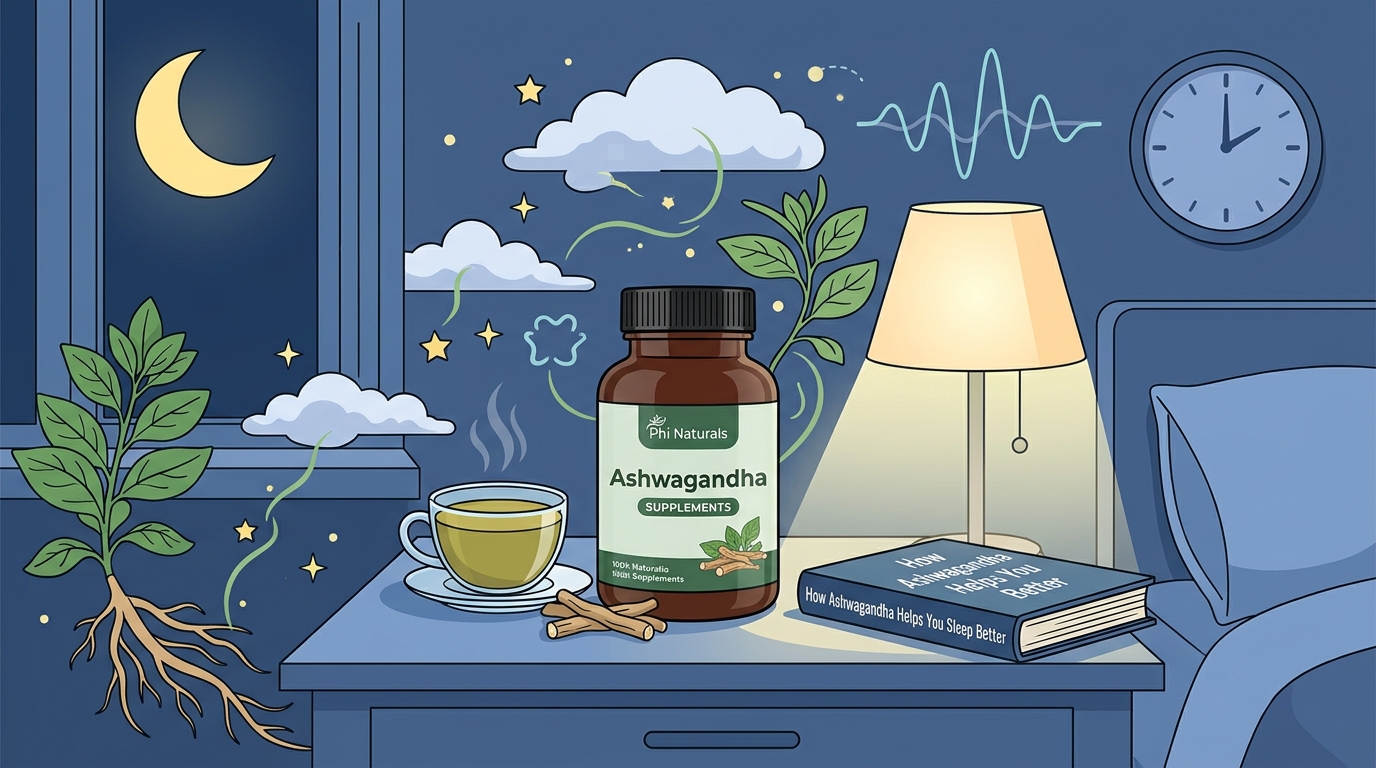
Practical Tips for Using Ashwagandha for Sleep
To maximize the benefits of ashwagandha for sleep, consider the following practical tips. First, consistency is key. Take your supplement at the same time each day, ideally in the evening, to help regulate your circadian rhythm. Second, combine ashwagandha with good sleep hygiene practices, such as maintaining a consistent sleep schedule and creating a relaxing bedtime routine.
Third, be patient. It may take a few weeks for ashwagandha to show its full effects. Do not expect immediate results, as the herb works gradually to regulate your stress response and improve sleep quality. Finally, listen to your body. If you experience any adverse effects, discontinue use and consult with a healthcare provider.
Phi Naturals offers a range of high-quality supplements, including ashwagandha, that are designed to support your health goals. Our products are formulated by healthcare professionals and sourced from ethical suppliers. We are committed to helping you achieve optimal health through natural means.
Key Takeaways
- Ashwagandha is an adaptogenic herb that helps regulate stress and promote relaxation.
- It works by lowering cortisol levels and enhancing GABA activity in the brain.
- Clinical studies show that ashwagandha can improve sleep quality, duration, and onset latency.
- The herb is generally safe and well-tolerated, with mild side effects in some cases.
- Consistency and good sleep hygiene are essential for maximizing the benefits of ashwagandha.
- Consult with a healthcare provider before starting ashwagandha, especially if you have underlying health conditions.
Frequently Asked Questions
How long does it take for ashwagandha to help with sleep?
It may take a few weeks for ashwagandha to show its full effects on sleep. Consistency is key, so take your supplement daily as directed.
Can I take ashwagandha with melatonin?
Yes, ashwagandha can be taken with melatonin. However, consult with a healthcare provider to ensure it is safe for you, especially if you are taking other medications.
Are there any side effects of ashwagandha?
Is ashwagandha safe for long-term use?
Ashwagandha is considered safe for long-term use in most people. However, periodic breaks may be recommended by some healthcare providers. Always follow the dosage instructions on the label.
Where can I buy high-quality ashwagandha?
You can find high-quality ashwagandha supplements from reputable brands like Phi Naturals. Look for products that are third-party tested and manufactured in FDA-registered facilities.
Conclusion
Ashwagandha offers a natural and effective way to improve sleep quality. By regulating stress and enhancing GABA activity, it helps you fall asleep faster and stay asleep longer. If you are struggling with sleep, consider adding ashwagandha to your nightly routine. For more information on our range of natural supplements, visit Phi Naturals supplements or for personalized advice.