
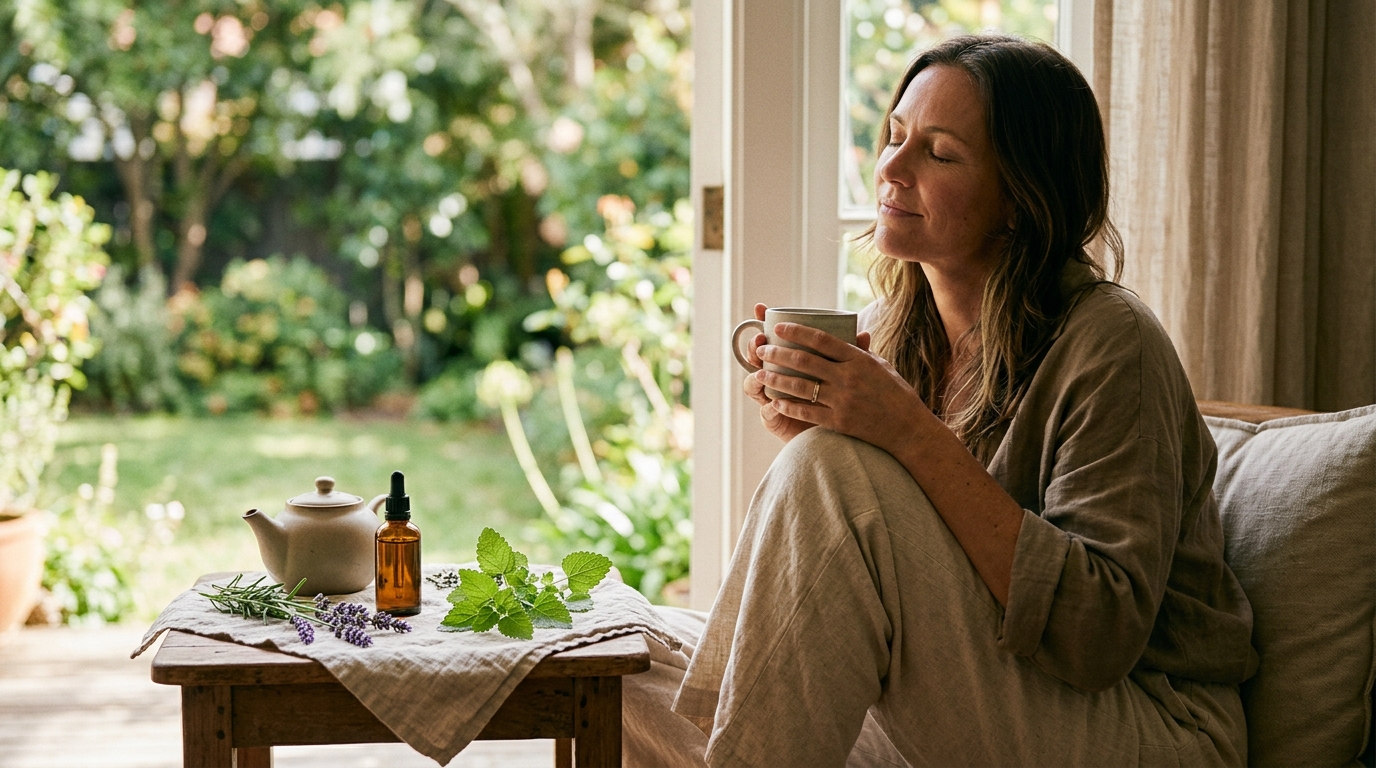
Phi Naturals, a health products company founded by two chiropractors with over 70 years of combined healthcare experience, formulates these botanicals with a focus on quality and efficacy. This guide covers the specific profiles of lavender, kava, lemon balm, and ashwagandha, providing the data necessary to make an informed choice for your daily wellness routine.
Understanding Relaxation vs. Sedation
It is critical to distinguish between two distinct physiological states when selecting a supplement for anxiety. Relaxation is a state of reduced physiological arousal where the nervous system shifts from sympathetic (fight or flight) to parasympathetic (rest and digest) dominance, while maintaining full cognitive function. Sedation is a state of reduced consciousness and alertness, often characterized by drowsiness, slowed reaction times, and impaired memory formation.
Many over-the-counter sleep aids and anxiolytics work by depressing the central nervous system, which leads to sedation. For individuals who need to remain productive, drive, or engage in social activities, this side effect is often unacceptable. Herbal extracts that target specific neurotransmitter pathways, such as GABA or cortisol regulation, can lower the "volume" of anxiety without turning off the "lights" of consciousness.
Lavender Extract
Lavender extract is a standardized preparation of lavandula angustifolia oil, typically containing linalool and linalyl acetate as primary active compounds. It is one of the most extensively studied botanicals for anxiety. The mechanism involves the modulation of GABA-A receptors in the brain, which helps to calm neural firing without causing the heavy drowsiness associated with benzodiazepines.
Research and Efficacy
Clinical trials have demonstrated that oral lavender extract can significantly reduce anxiety scores in patients with generalized anxiety disorder. Because it acts on the GABA system but with a different binding profile than pharmaceutical sedatives, users often report a feeling of "calm alertness." This makes it a strong candidate for those who need to manage stress during the workday.
Usage Considerations
Lavender is generally well-tolerated. However, because it is an oil-based extract, the delivery method matters. Encapsulated forms, such as those found in high-quality supplements, ensure consistent dosing. If you are looking for a gentle entry point into herbal anxiety management, lavender is often the first recommendation due to its safety profile and lack of sedative drag.

Kava
Kava is a root extract derived from pipermethusae, a plant native to the Pacific Islands. It is a potent anxiolytic that works by binding to GABA receptors and also interacting with calcium channels and opioid receptors. While highly effective for acute anxiety, kava occupies a middle ground between relaxation and sedation.
The Sedation Factor
Unlike lavender, kava is more likely to induce drowsiness, especially at higher doses. For many users, this is a feature, not a bug, as it aids in sleep onset. However, for the specific goal of "relaxation without sedation," kava requires careful dosing. Lower doses may provide calm without significant impairment, but the risk of grogginess is higher than with other botanicals.
Safety and Quality
Quality control is paramount with kava. Some varieties contain kavalactones that have been linked to liver toxicity in rare cases. Reputable manufacturers, such as Phi Naturals, prioritize sourcing from FDA-registered labs to ensure purity and safety. If you choose kava, it is best used in the evening or when you do not need to remain fully alert.
Lemon Balm
Lemon balm is a leaf extract from mentha piperita (specifically mentha x piperita var. citrata), a member of the mint family. It is known for its mild anxiolytic and mood-elevating properties. The primary active compounds, rosmarinic acid and eugenol, inhibit the breakdown of GABA, leading to a gentle calming effect.
Mildness and Tolerance
Lemon balm is considered one of the mildest herbal options for anxiety. It is rarely associated with sedation, making it an excellent choice for individuals who are sensitive to the effects of stronger botanicals. It is often used in combination with other herbs to enhance their effects without adding to the sedative load. For those with mild anxiety or stress-related tension, lemon balm provides a subtle shift toward calm without altering mental clarity.
Flavor and Form
Ashwagandha
Ashwagandha is a root extract from withania somnifera, a plant that has been used in Ayurvedic medicine for thousands of years. It is classified as an adaptogen, meaning it helps the body resist the effects of stress. Unlike direct GABA agonists, ashwagandha works primarily by regulating cortisol, the body's primary stress hormone.
Cortisol Regulation and Energy
By lowering elevated cortisol levels, ashwagandha reduces the physiological symptoms of anxiety, such as rapid heart rate and muscle tension. Crucially, it does not depress the central nervous system. In fact, studies suggest that ashwagandha can improve energy levels, muscle strength, and cognitive performance. This makes it the ideal choice for those who feel "wired and tired" due to chronic stress. It supports relaxation by removing the stress response, rather than by sedating the brain.
Quality and Sourcing
The potency of ashwagandha varies significantly based on the root extract used. Phi Naturals Ashwagandha is sourced from organic farms in India and encapsulated in the USA. Their formulation uses a 4:1 extract, providing a concentrated dose of the active withanolides. This high-quality approach ensures that you receive the benefits of the root without unnecessary fillers or low-potency material.
Comparison of Herbal Extracts
The following table summarizes the key characteristics of the four herbal extracts discussed in this guide. This reference helps you match the herb to your specific needs regarding sedation risk and primary mechanism of action.
| Herbal Extract | Primary Mechanism | Sedation Risk | Best For |
|---|---|---|---|
| Lavender | GABA-A Modulation | Low | General anxiety, daytime calm |
| Kava | GABA, Calcium, Opioid Receptors | Moderate to High | Acute anxiety, sleep onset |
| Lemon Balm | GABA Breakdown Inhibition | Very Low | Mild stress, mood support |
| Ashwagandha | Cortisol Regulation (Adaptogen) | None | Chronic stress, energy, performance |
Key Takeaways
- Lavender extract is a top choice for relaxation without sedation, acting on GABA receptors to calm the mind while preserving alertness.
- Ashwagandha is an adaptogen that lowers cortisol, addressing the root cause of stress without depressing the central nervous system.
- Kava is potent but carries a higher risk of drowsiness, making it better suited for evening use or sleep support.
- Lemon balm is the mildest option, ideal for those sensitive to stronger botanicals or for mild stress management.
- Quality matters: Look for standardized extracts from reputable manufacturers like Phi Naturals that use FDA-registered labs.
- Individual responses vary; it is often beneficial to start with a lower dose to assess your personal tolerance to sedation.
- Combining herbs, such as ashwagandha and lemon balm, may provide synergistic benefits without increasing sedative effects.
- Always consult with a healthcare provider before starting new supplements, especially if you are taking other medications.
Frequently Asked Questions
Does ashwagandha make you sleepy?
No, ashwagandha is not a sedative. It is an adaptogen that helps regulate cortisol levels. Many users report increased energy and mental clarity rather than drowsiness, making it suitable for daytime use.
Can I take lavender and ashwagandha together?
Yes, these two herbs are often used together. Lavender provides immediate calming effects on the nervous system, while ashwagandha addresses long-term stress hormone regulation. There are no known negative interactions between them.
How long does it take for herbal extracts to work?
Lavender and lemon balm may provide noticeable effects within 30 to 60 minutes. Ashwagandha, as an adaptogen, typically requires 4 to 8 weeks of consistent use to fully manifest its stress-reducing benefits.
Is kava safe for daily use?
Kava is generally safe for short-term use, but long-term daily use should be approached with caution due to potential liver concerns. It is best to cycle kava or use it only when needed for acute anxiety or sleep.
Where can I find high-quality herbal supplements?
You can find high-quality supplements from reputable brands like Phi Naturals, which formulates products with the assistance of chemists, herbalists, and nutritionists, and packages them in FDA-registered labs in the USA.
Do these herbs interact with prescription anxiety medications?
Yes, they can. Herbs that affect GABA or cortisol can interact with benzodiazepines, SSRIs, and other psychiatric medications. Always consult your doctor before combining herbal supplements with prescription drugs.
Conclusion
Selecting the right herbal extract for anxiety requires understanding the difference between calming the nervous system and sedating the brain. For those who need to remain alert and productive, lavender and ashwagandha are the premier choices. Lavender offers immediate GABA-mediated calm, while ashwagandha provides long-term cortisol regulation and energy support. Kava and lemon balm serve specific niches, with kava being more sedating and lemon balm being milder.
At Phi Naturals, we are committed to providing high-quality, USA-packaged supplements that support your health goals. Whether you are looking to manage daily stress or improve your sleep, our range of botanicals is designed to meet your needs with safety and efficacy in mind. Explore our full product line to find the right formula for your wellness journey.